

Responsible Water Management at Mine Sites
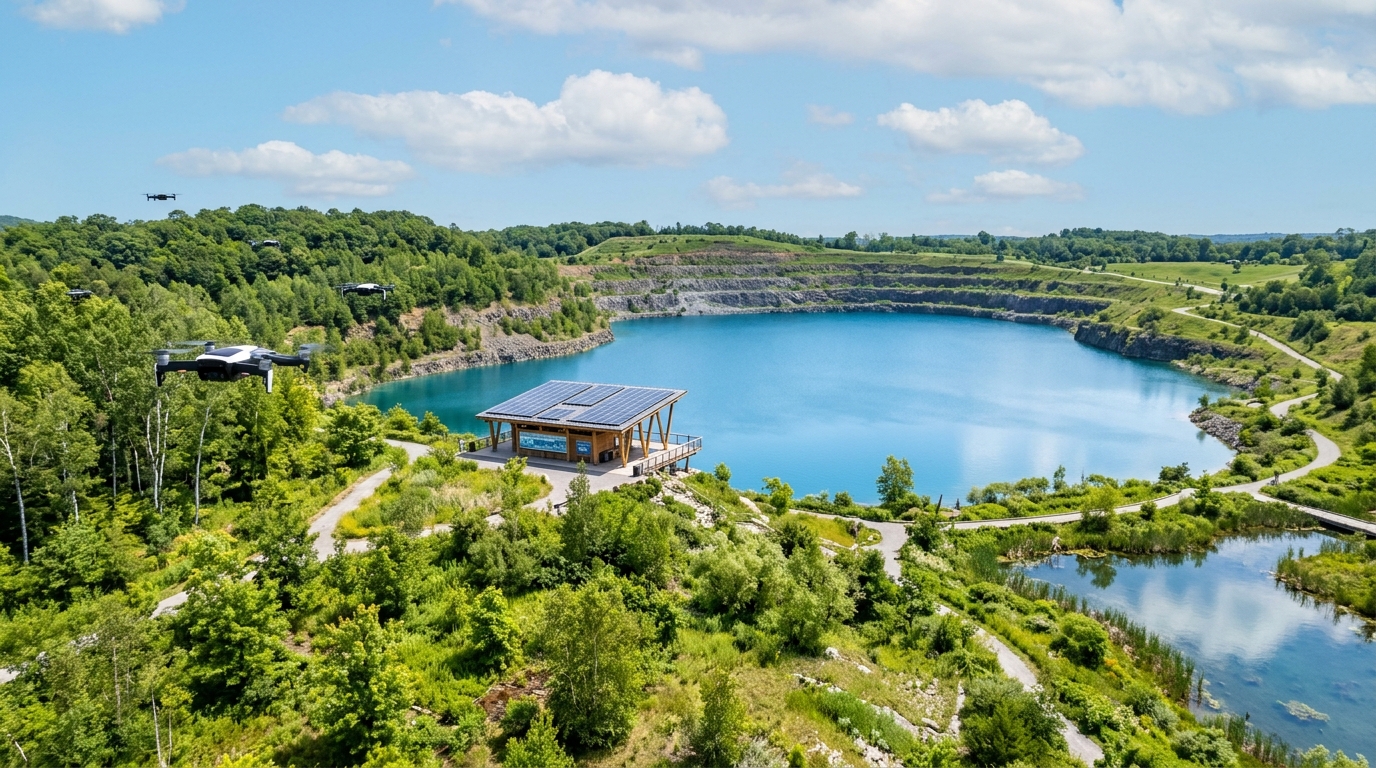
"Water planning should begin with a site-wide balance that identifies sources, users, storage, treatment and discharge points."
Understand the water system around the mine
Responsible water management starts by understanding local surface water and groundwater conditions, seasonal variation and the needs of nearby communities and ecosystems.
Mine operators can use monitoring, maintenance and suitable treatment to manage water used for processing, dust suppression and other site activities. Reuse may reduce demand for fresh water where water quality and process requirements allow.
Plan and report carefully
- Measure water withdrawals, reuse and discharge consistently.
- Maintain drainage and treatment systems and inspect them routinely.
- Share monitoring information with regulators and affected communities as appropriate.
Key Executive Takeaways
- • Direct ion-exchange and closed-loop extraction models avoid environmental depletion of regional surface aquifers.
- • All commercial volumes are certified with cryptographic blockchain batch passports under IRMA and ISO 14001 audits.
- • Bilateral offtake customers benefit from guaranteed low Scope 3 carbon intensity certificates for battery regulations.
messages.related_articles
Explore All Makala & News →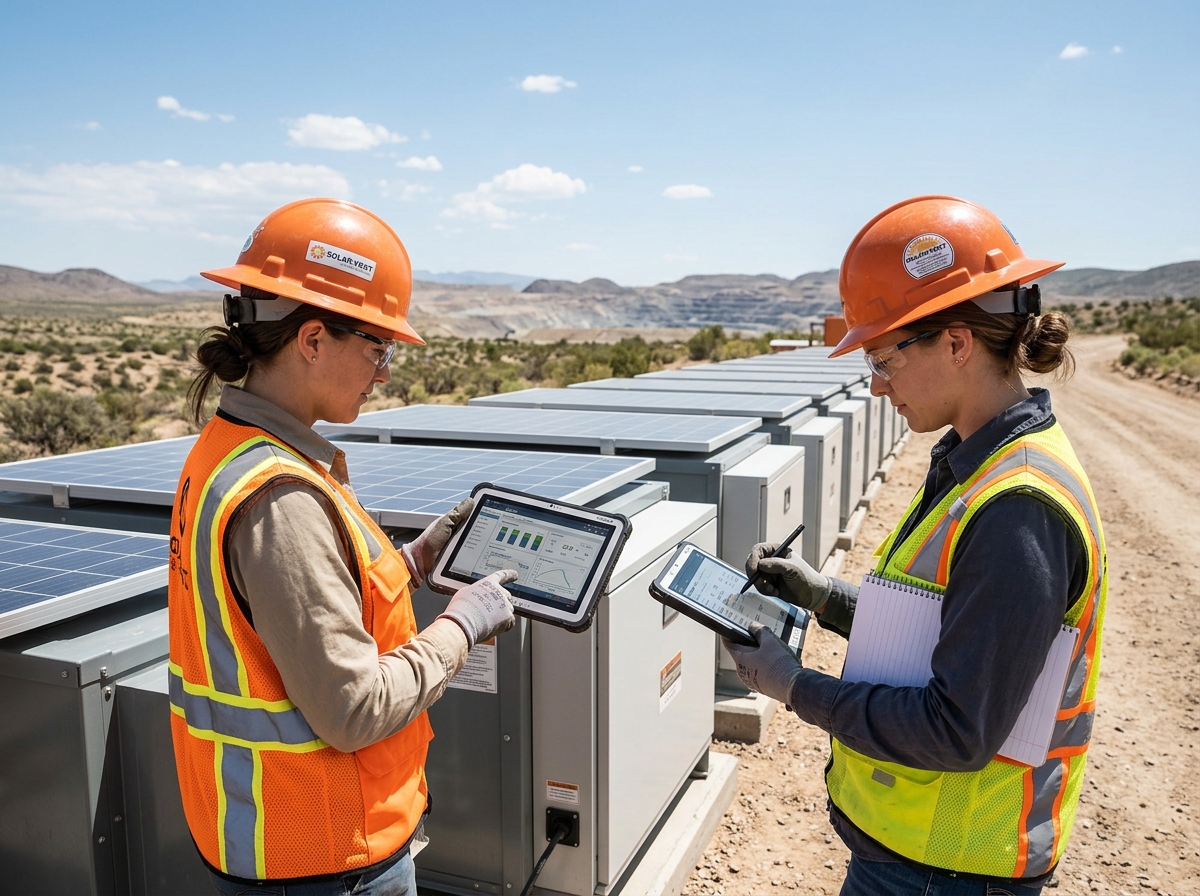
Responsible Mineral Exploration: From Geological Mapping to a Clear Record
A practical look at how geological mapping, careful sampling and transparent records help exploration teams understand mineral potential while limiting disturbance.
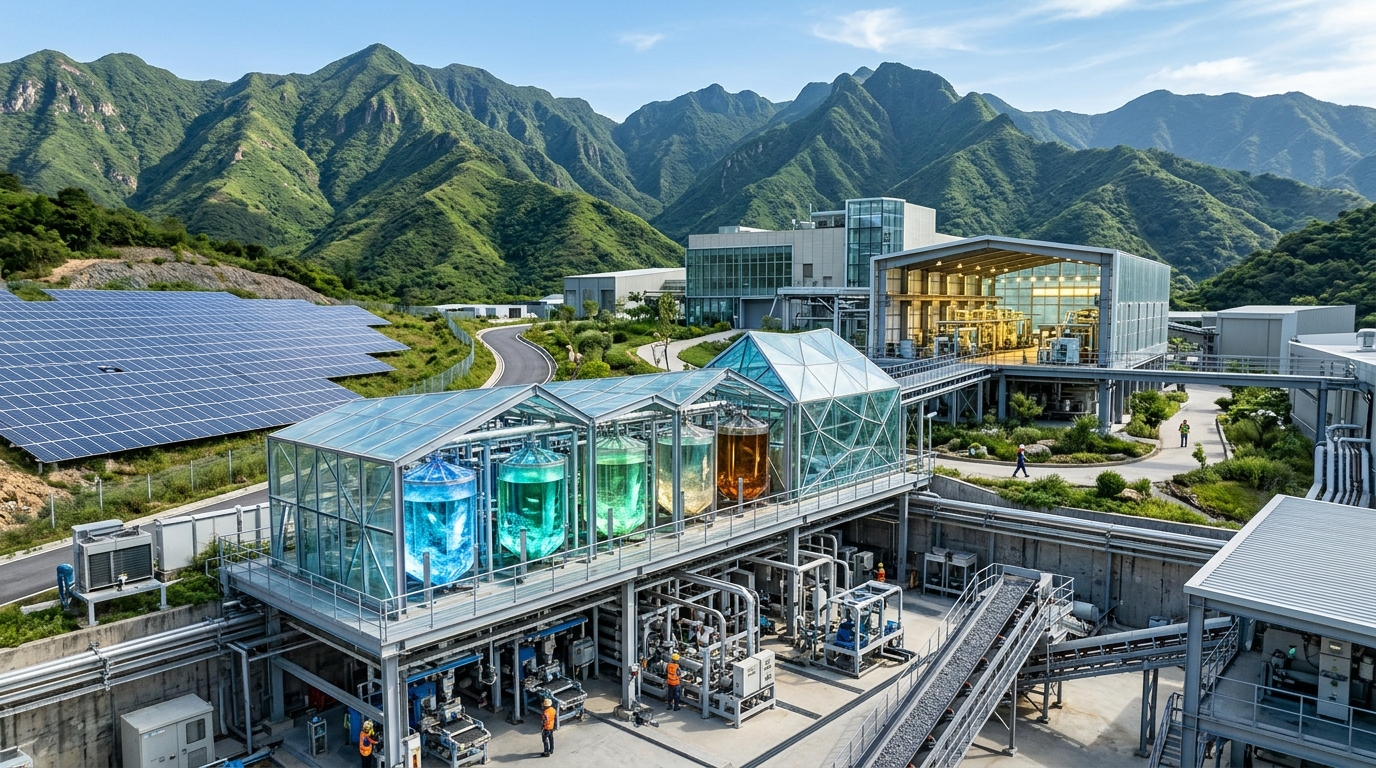
Green Mining Achieves 94.8% Water Recycling Milestone at New Nanofiltration Complex
Commercial operations begin at the Atacama Direct Lithium Extraction facility, producing battery-grade lithium hydroxide with near-zero evaporative water loss and 100% solar power.
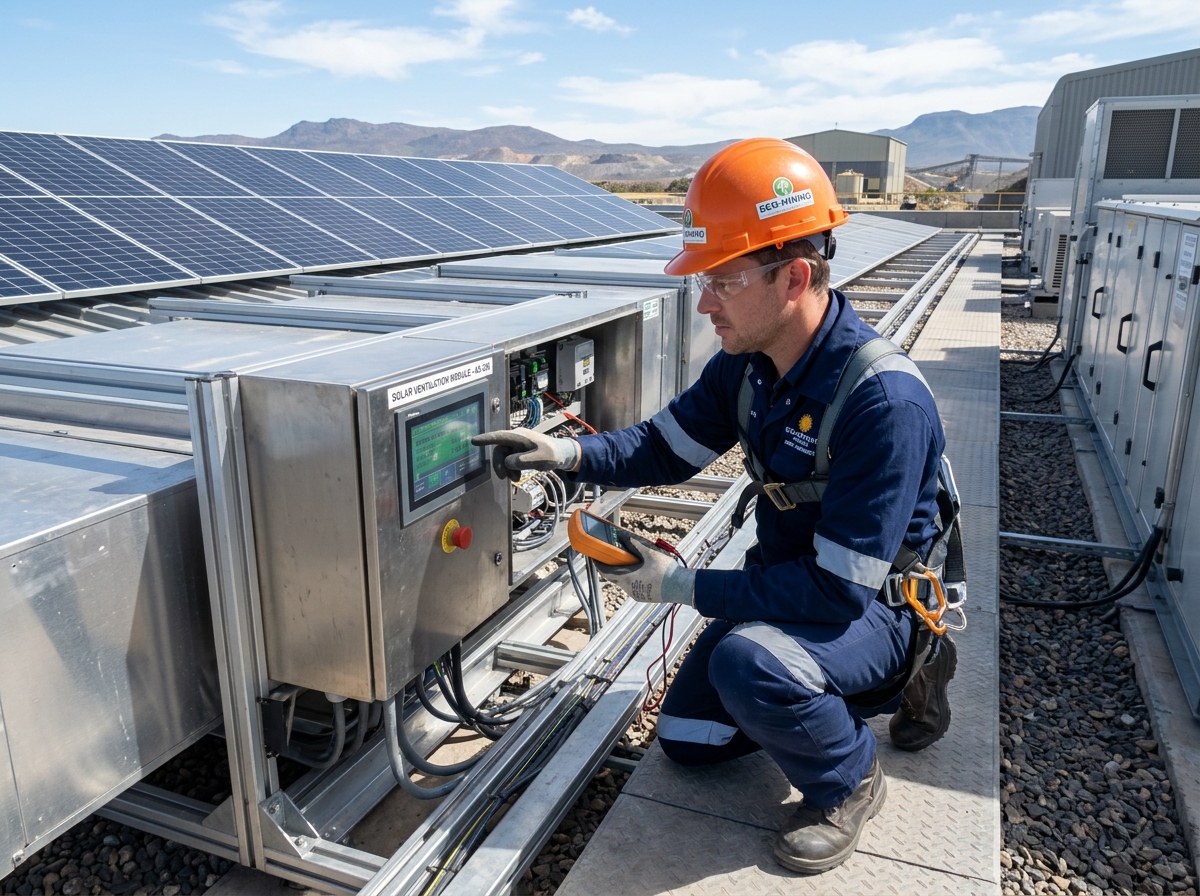
Mine Safety Starts Before the Shift: Planning, Training and Reporting
A strong safety culture combines site-specific risk assessments, practical training, maintained equipment and clear reporting channels for every worker.